Morocco Photography Guide: Capturing the Sahara
Most of our guests come to Merzouga with a camera, and many ask us the same questions about light, sand and stars. Below are the places in Morocco we send photographers, plus what we have learned shooting in the Sahara.
Best Photography Locations in Morocco
Erg Chebbi Dunes (Merzouga)
This is the best-known desert location in the country. The golden dunes rise high above the flat land around them, with nomadic camps at their edges, and both sunrise and sunset give you strong light here.
Chefchaouen
The Blue City is all about colour. Blue-washed buildings line narrow streets, so you can work a single alley for an hour.
Dades and Todra Gorges
Here you get deep canyons and big rock formations, good material for landscape work.
Ait Ben Haddou
A UNESCO World Heritage Site. The old kasbah looks as if it was built with a photographer in mind.
Golden Hour in the Sahara
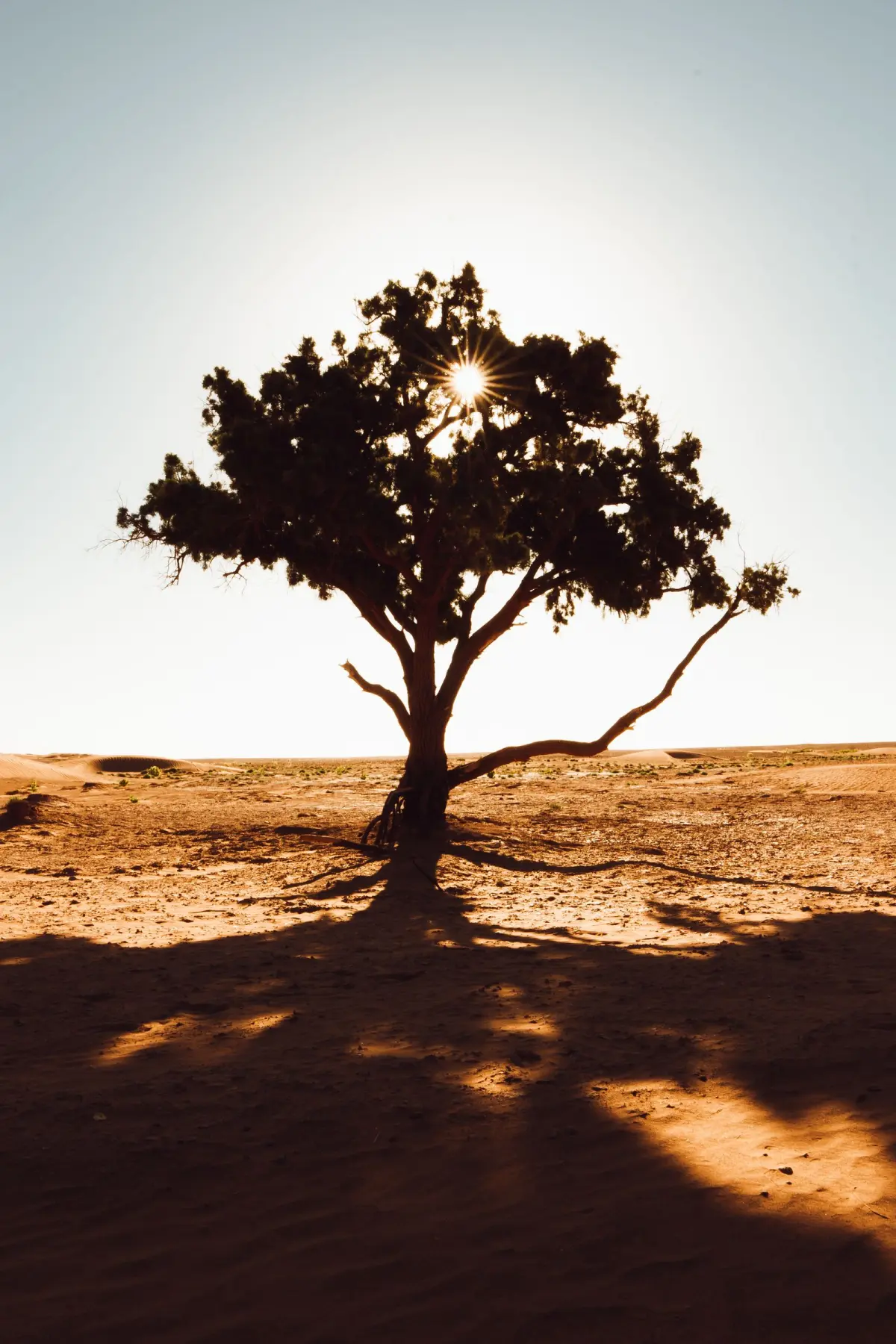
For desert photography, golden hour is the time to be out: the hour after sunrise and the hour before sunset. With the sun low, shadows stretch out, the light turns warm and every ripple in the dunes shows up. Stay on after sunset for the blue hour, when the sky goes soft and pastel.
We time our sunrise and sunset tours around this light.
Essential Gear
- Camera: DSLR, mirrorless, or a good smartphone
- Lenses: wide-angle (16-35mm) for landscapes, telephoto (70-200mm) for details
- Tripod: needed for sunrise, sunset and long exposures
- Extra batteries: cold desert nights drain them quickly
- Lens cleaning kit: sand gets everywhere, so pack a blower and microfibre cloths
- Polarising filter: cuts glare and deepens the colour of the sky
- ND filter: for long exposures in daylight
Protecting Your Gear from Sand
In the desert, sand does more damage to cameras than anything else. What helps:
- A camera bag that seals well
- A scarf or cloth over the camera when you are not shooting
- Zip-lock bags as an extra layer
- A blower to clear sand off the body and lens
- No lens changes when the wind is up
Photography Tips for the Sahara
- Let the curves and lines of the dunes lead the eye
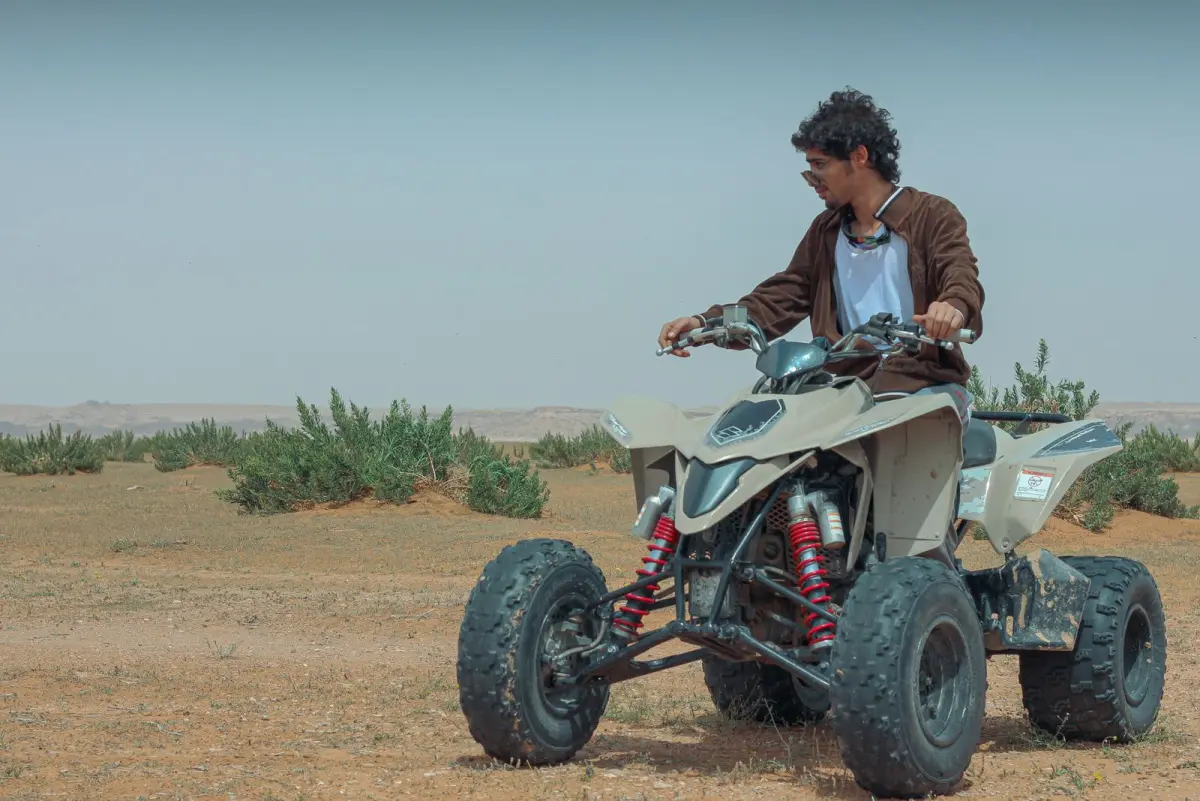
- Put a person in the frame for scale, as dunes look bigger with a reference
- Shoot RAW so you have room to edit
- Keep ISO low for the cleanest files
- Bracket exposures when contrast is high
- Try silhouettes at sunset
- Photograph the stars, because the Sahara has very dark skies
Astrophotography in the Sahara
Conditions for night photography in the Sahara are among the best in the world. There is almost no light pollution, so the Milky Way shows clearly. Our settings for a starting point:
- A fast wide-angle lens (f/2.8 or faster)
- A sturdy tripod
- High ISO (3200-6400)
- Exposures of 15-30 seconds
- Manual focus on a bright star
Planning a Photo Trip with Us
The Sahara is where Morocco gives photographers the most to work with. Bring the right gear, get out at the right hours and use the techniques above, and you will have plenty to edit when you get home. Join our sunrise tour or contact us to plan a desert trip built around photography.
Frequently Asked Questions
Experience It Yourself
Ready to put this guide into action? Book your Sahara adventure today.
Browse Tours Contact Us