
 grand
Tangier to Merzouga 4x4 Tour
Six days by 4x4 from Tangier to Merzouga, crossing Morocco from the Mediterranean to the Sahara in comfort.
A twelve-day overland circuit of Morocco covering the cities, mountains, desert and coast, and the country in between.

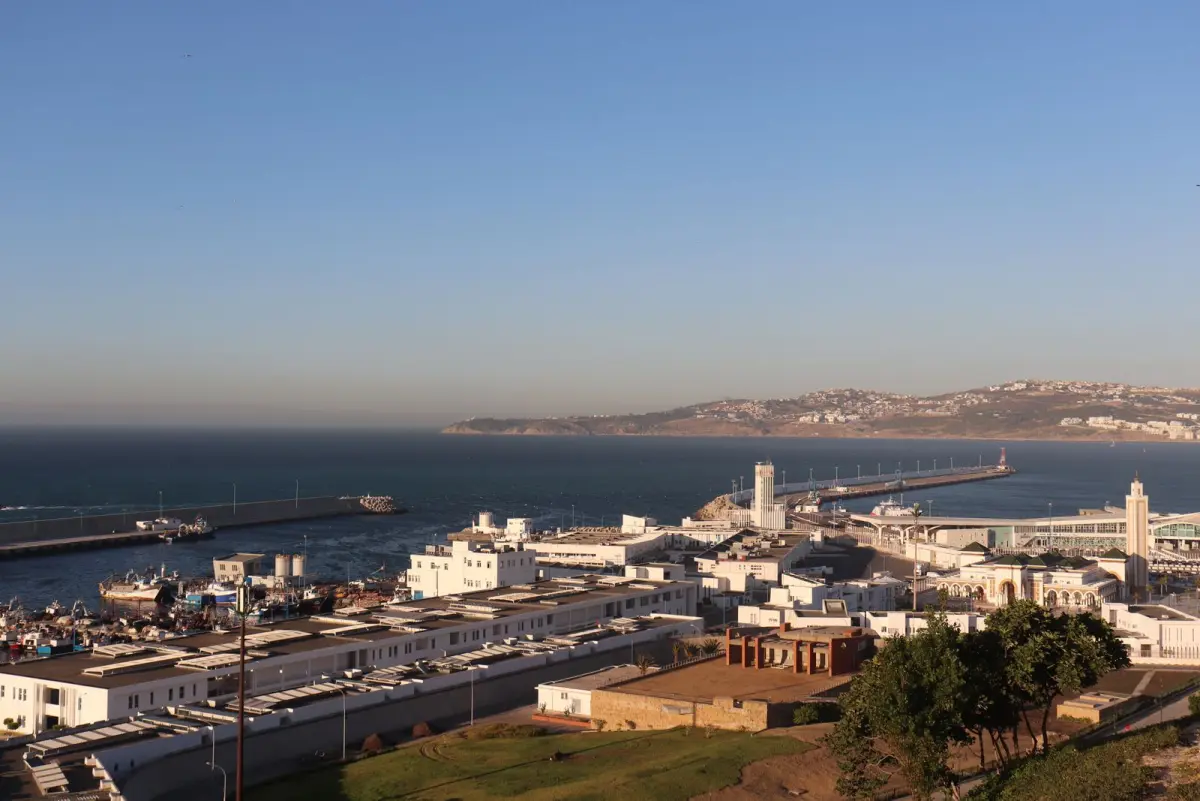
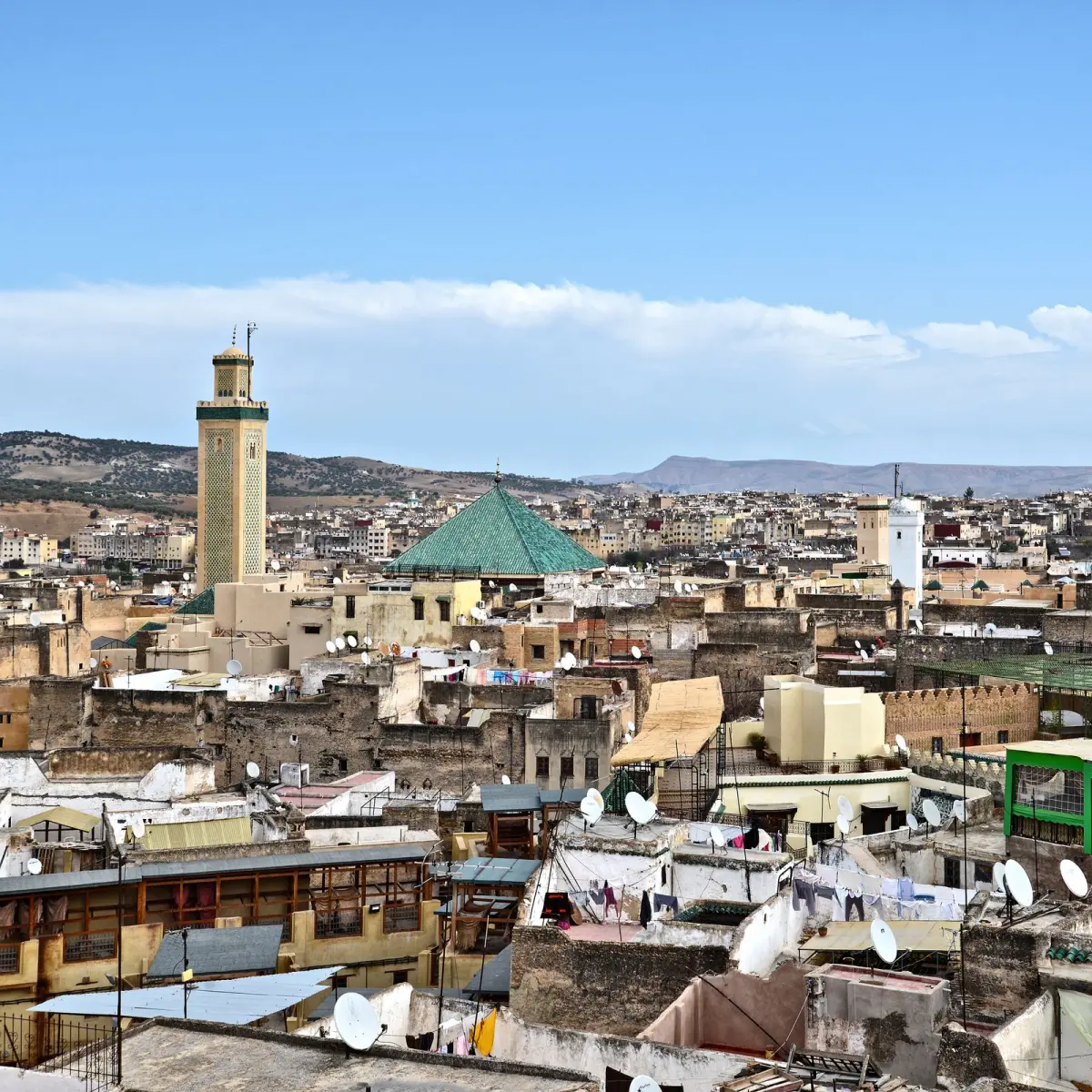


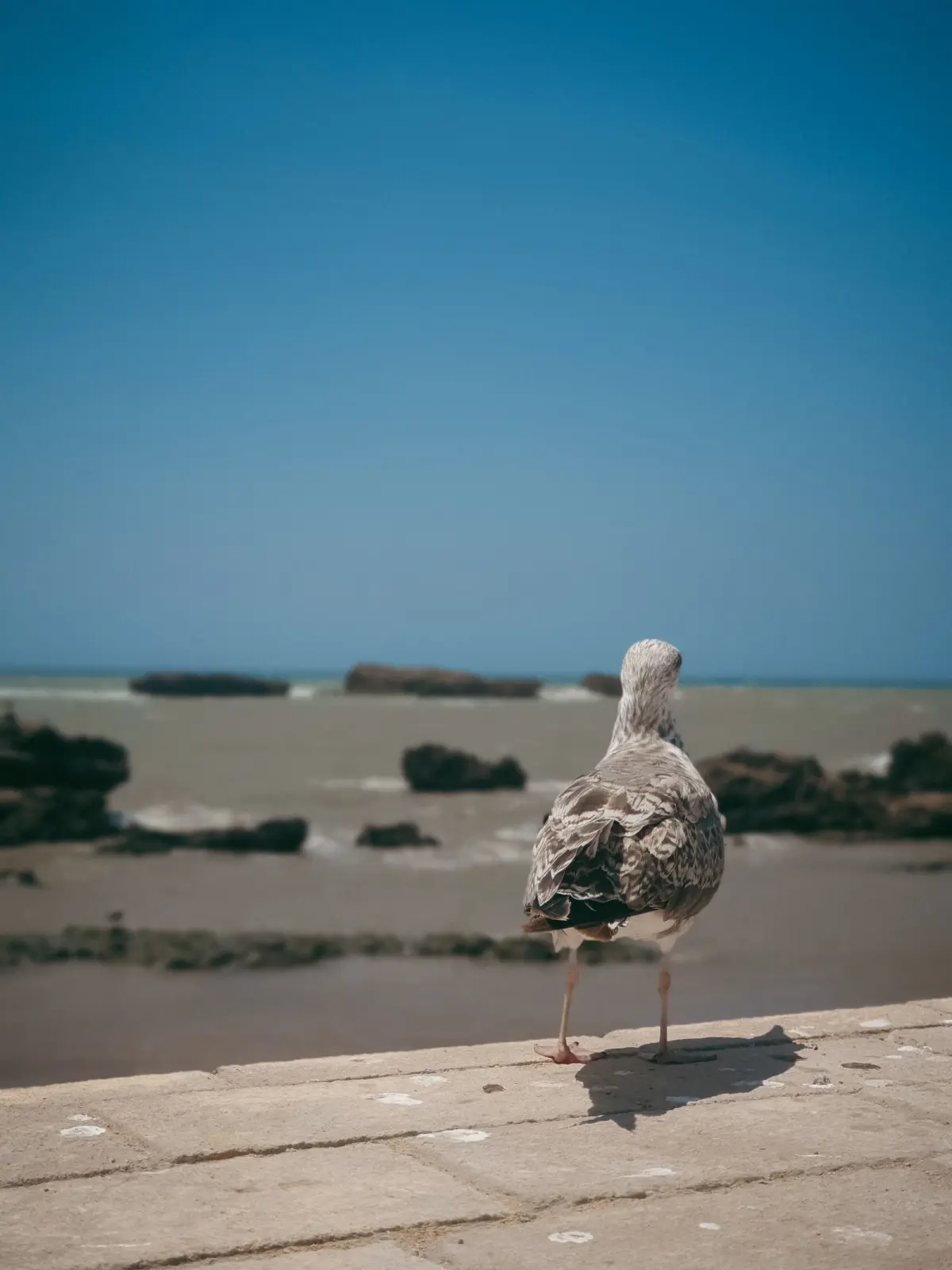
The Grand Morocco Overland Tour is our longest and most complete trip: a twelve-day circuit through every major region of Morocco. You see the imperial cities, cross the Rif and Atlas Mountains, spend time in the Sahara and reach both the Atlantic and Mediterranean coasts. Plenty of smaller places fill the gaps between them. We built it for travellers who want to see the whole country in one go.
Your driver meets you on arrival in Tangier, whether at Ibn Battouta airport, the ferry port or the train station, and takes you to your hotel. Depending on your arrival time, the rest of the day is free to get your bearings in a city that has looked across to Europe for centuries.
If you have energy, an afternoon walk takes in the Kasbah quarter on the hill above the medina, the Petit Socco with its old cafés, and the terraces looking out over the Strait of Gibraltar. Your driver can also arrange a short drive out to Cap Spartel and the Caves of Hercules. In the evening you have time to rest after your journey before the overland trip begins tomorrow.
After breakfast you leave the coast and head inland, passing Tetouan with its whitewashed medina and then climbing gradually into the Rif. The drive is short, around three hours, which leaves plenty of time in Chefchaouen itself.
The town sits beneath two peaks, and its old quarter is a tangle of steep lanes painted every shade of blue. You can wander at your own pace, stop in the Outa el Hammam square below the red walls of the kasbah, and look into small workshops selling woven blankets and goat cheese. Late in the afternoon a short hike to the Spanish Mosque gives a fine view of the blue town turning gold in the sunset. You stay overnight in your riad.
Today follows an old route south through farmland and olive groves to the edge of the Zerhoun hills. Your first stop is Volubilis, once a Roman provincial town, where you walk among columns, arches and some of the finest mosaics in North Africa, set against a wide sweep of open countryside.
From there it is a short drive to Meknes, the imperial city built up by Sultan Moulay Ismail in the late 1600s. You see the monumental Bab Mansour gate, the huge granaries and stables of Heri es-Souani, and the busy square of El Hedim. In the late afternoon you continue to Fes, about an hour away, and check into your riad for two nights.
A local guide leads you through Fes el Bali, a medieval medina that has never stopped being lived in. Donkeys and handcarts still carry goods through lanes too narrow for cars, and each quarter has its own trades, from copper beaters to weavers.
Highlights include the Nejjarine fountain and woodwork museum, the Attarine madrasa with its fine tilework, the outside of the Al Quaraouiyine mosque, and the terraces above the Chouara tannery, where you look down on the coloured dye pits. Later you can visit the Mellah, the old Jewish quarter, and the golden gates of the Royal Palace in Fes el Jdid. The rest of the day is free, and you spend a second night in your riad.
An early start takes you south over the Middle Atlas. You pass through Ifrane, with its sloping roofs and tidy parks, then into the cedar forest above Azrou, where you can stop to see the Barbary macaques that live in the trees.
Beyond the forest, the landscape becomes high and dry around Midelt, with the snowy ridge of Jebel Ayachi often visible in winter and spring. The road then drops into the Ziz Valley, a long green line of date palms between red cliffs. After Erfoud the plain turns flat and dark until the dunes of Erg Chebbi rise ahead. You reach Merzouga by late afternoon and spend the night at your hotel or a desert camp.
The day belongs to the desert. Your guide takes you out into Erg Chebbi on quad, buggy or by 4x4, starting with a safety briefing and some practice before heading into the bigger dunes. There are plenty of stops for photos on high ridges, with views over the sand sea and toward the Algerian border.
The route may also include a visit to a nomad family for mint tea, the village of Khamlia where Gnawa musicians play rhythms brought across the Sahara generations ago, and a stretch across the stony plain to look for fossils. In the late afternoon you ride a camel or travel by 4x4 to a desert camp, watch the sun set over the dunes and spend the night under a sky full of stars.
Sunrise over the dunes is a good reason to wake early before breakfast at camp. You then return to Merzouga and drive west through Rissani, the old caravan town of the Tafilalet, and across open desert plains toward the High Atlas foothills.
In the early afternoon you reach the Todra Gorge near Tinghir, where the river has carved a narrow passage between cliffs that rise up to three hundred metres. You can walk through the gorge and watch climbers on the rock faces. The road then continues to the Dades Valley, where the river winds between red hills, fig trees and old kasbahs. Before dinner there is time to see the twisting road up to the Dades Gorge. The night is spent at your hotel in the valley.
Today is a gentler driving day, which leaves more time for stops. You follow the Valley of the Roses through Kelaa M'Gouna, where rose water and oils are made from the spring harvest, and then pass the palm groves of Skoura, dotted with earth-built kasbahs, some of them several hundred years old.
After Ouarzazate you continue a short way to Ait Ben Haddou, the ksar recognised as a UNESCO World Heritage site. You cross the riverbed and climb through the village to the ruined granary at the top, where the view stretches over the valley and the old caravan route. In the late afternoon you return to Ouarzazate, where you can see the outside of the Taourirt kasbah before your overnight at your hotel.
You leave Ouarzazate and head north into the High Atlas. The road climbs steadily past the Telouet turn-off and through villages of red earth houses toward the Tizi n'Tichka pass, the highest main road crossing in Morocco at around 2,260 metres. There are several viewpoints on the way up, and the scenery changes quickly from bare rock to terraced fields and walnut trees.
On the northern side, the descent winds through valleys toward the Haouz plain, and Marrakech comes into view with the mountains behind it. You arrive by early afternoon, leaving time to settle into your riad and take a first walk toward Jemaa el Fna square in the evening, when the food stalls and musicians are at their liveliest.
A guided morning introduces you to the history of the Red City. You visit the Bahia Palace with its painted ceilings and shaded courtyards, the Saadian Tombs hidden behind the Kasbah mosque, and the Ben Youssef madrasa, once one of the largest Quranic schools in North Africa.
Your guide then leads you into the souks, explaining how the different crafts are organised and how to bargain politely. The afternoon is free. Some guests visit the Jardin Majorelle or the Menara gardens, others relax at a hammam or simply enjoy the quiet of the riad courtyard after the busy lanes. In the evening you can return to the square or eat on a rooftop terrace overlooking the Koutoubia minaret.
The last leg of the trip runs west to the Atlantic coast. Leaving Marrakech, the land gradually flattens into farmland, then into the argan forest that is found almost nowhere else in the world. You can stop to see goats climbing the trees and visit a cooperative where local women crack and grind the kernels to make oil.
You arrive in Essaouira around midday. The old town, once called Mogador, is built behind sea walls designed in the 18th century, and its relaxed pace is a pleasant change after Marrakech. Spend the afternoon walking the ramparts, visiting the fishing port and its boatyards, and exploring the galleries and craft shops. The night is spent in your riad.
Your last morning is free to enjoy the coast. The beach south of the town is popular with kitesurfers and walkers, and the medina is quiet early in the day, which makes it a good time for a final stroll and a coffee near the clock tower, or a last look at the spice stalls.
At the time you agree with your driver, you are transferred to your departure point, normally Marrakech or its airport. After twelve days on the road, from the Strait of Gibraltar through the Rif, the imperial cities, the Sahara and the High Atlas to the Atlantic, the drive back gives you time to look through your photos and remember the journey.
Over twelve days this circuit takes in the imperial cities, every mountain range and both coasts. Our vehicles carry a full expedition kit for it: spares, tools, extra fuel and water, all maintained and checked each morning. The eleven nights are spent in riads, desert camps and coastal hotels, so you cover a lot of ground with good support behind you. Learn more about our fleet.
Eleven nights across this many regions could easily turn into a rush, so we keep the pace moderate on purpose and plan rest time at each key location. Every vehicle carries a comprehensive first-aid kit. Each leg is driven by someone experienced in that particular terrain, from city traffic in the imperial cities to mountain passes, open desert and coastal roads. Read our full safety standards.
To check dates or ask a question about Grand Morocco Overland Tour, send us a message on WhatsApp, call us or use the booking form on this page. We reply within 24 hours to confirm your booking.
You might also be interested in these adventures.
grand
Six days by 4x4 from Tangier to Merzouga, crossing Morocco from the Mediterranean to the Sahara in comfort.
 grand
Eight days from Tangier to Marrakech, taking in Morocco's cities, mountains, desert and coast.
 grand
Seven days from Nador to the Atlantic coast, crossing Morocco from the Mediterranean through mountains and desert.
Send us your dates, group size and the tour you like. We reply with availability and a price.